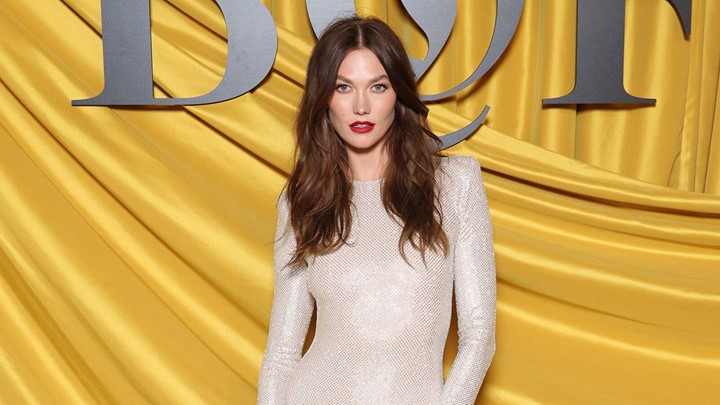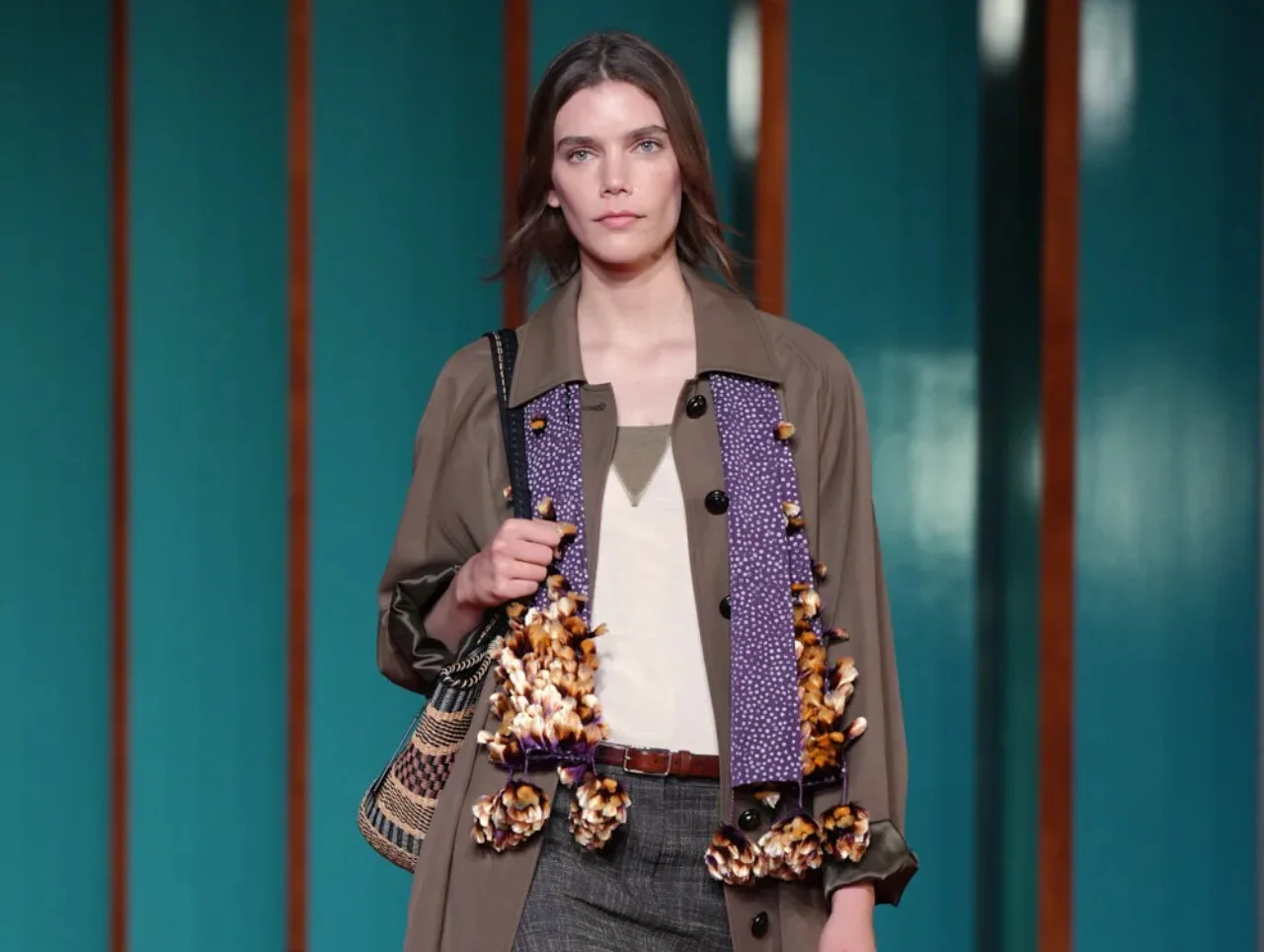
New York Fashion Week presented a wide-ranging portrait of American fashion for Spring/Summer 2027. Across Manhattan, designers moved between polished tailoring, elevated sportswear, glamorous dressing, and experimental design, offering contrasting ideas about how the modern wardrobe should look and feel.
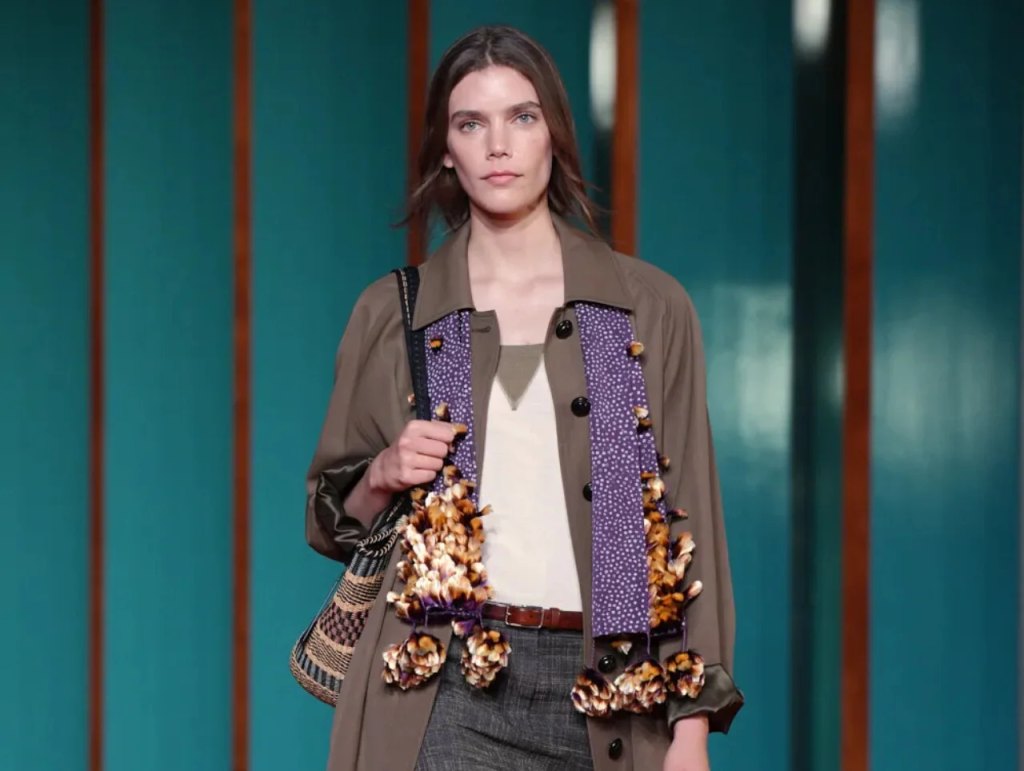
The September collections brought a familiar sense of renewal, but many designers chose to reinterpret established New York codes rather than simply repeat them. Relaxed tailoring, exaggerated shapes, intricate textures, and unexpected embellishments appeared throughout the schedule. Classic sportswear was refined, while recognizable American influences were given a fresher and more contemporary identity.
The diversity was evident from the early shows. Rachel Comey, Cult Gaia, and Coach explored different approaches to modern sportswear, with Coach also using its 85th anniversary as an opportunity to revisit its heritage and reinterpret archival references for a new audience.
Diane von Furstenberg delivered another significant moment with her return to the official New York Fashion Week calendar. The comeback also introduced a new chapter for the house, with Henry Zankov presenting his first collection as creative director.
Ideas of femininity varied widely across the schedule. Daniella Kallmeyer, Anna Sui, Kate Barton, Sandy Liang, and Rachel Scott of Proenza Schouler moved between romantic, playful, polished, and more structured interpretations of dressing.
Eveningwear continued to play an important role. Carolina Herrera, Thom Browne, Jonathan Simkhai, and Michael Kors explored sophisticated glamour, while designers such as Terrence Zhou, Jane Wade, Christian Juul Nielsen, and Lorena Pipenco took a more experimental approach, using unusual materials, sculptural shapes, and dramatic proportions.
That mix of perspectives remains one of New York Fashion Week’s greatest strengths. The city makes room for tradition and innovation to exist together, allowing minimalism, extravagance, practicality, and fantasy to become part of the same fashion conversation.
Among the collections that best demonstrated this range were Ralph Lauren, Tommy Hilfiger, Tory Burch, and Calvin Klein.
Ralph Lauren
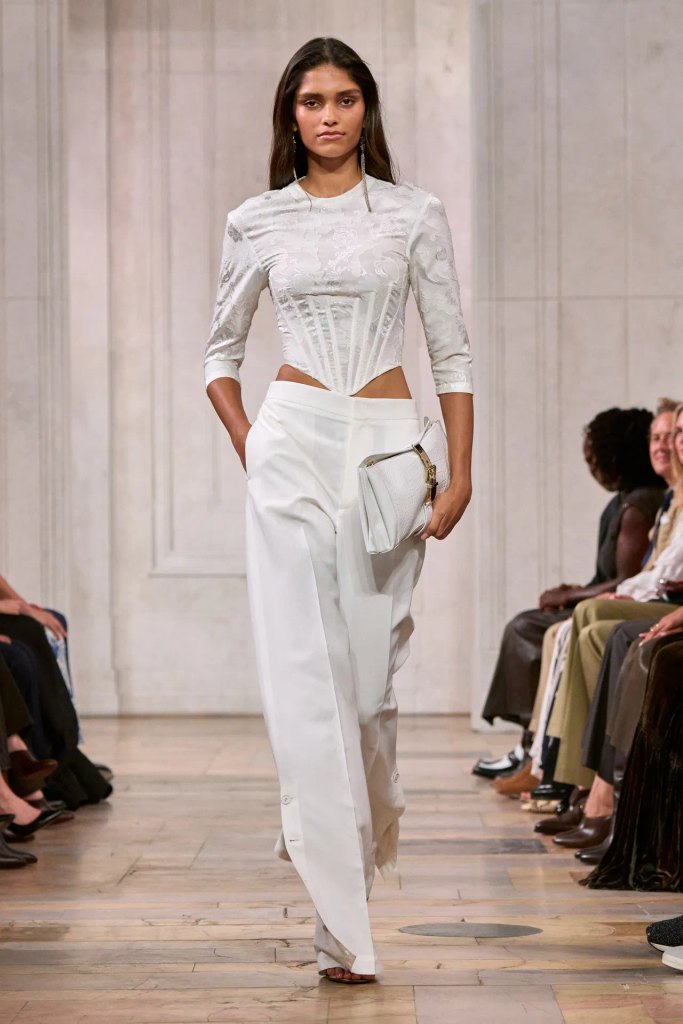
For Spring/Summer 2027, Ralph Lauren brought together the romance of vintage glamour with the enduring appeal of American style.
The collection balanced familiar tailoring with more theatrical elements. Sharp jackets, elegant trousers, and structured outerwear established a classic foundation, while intricate embellishment and flowing fabrics added movement and drama.
Flapper-inspired tops were decorated with beads and fringe, while silk skirts appeared in luminous golden tones. Denim took on a more luxurious character through detailed jacquard patterns, and fur stoles reinforced the collection’s nostalgic mood.
Even with these glamorous touches, the collection retained Lauren’s trademark ease. The clothes felt polished but never overly precious, maintaining the relaxed confidence associated with the designer’s vision of American dressing.
The result was a sophisticated meeting of heritage, romance, and old-school glamour.
Tommy Hilfiger
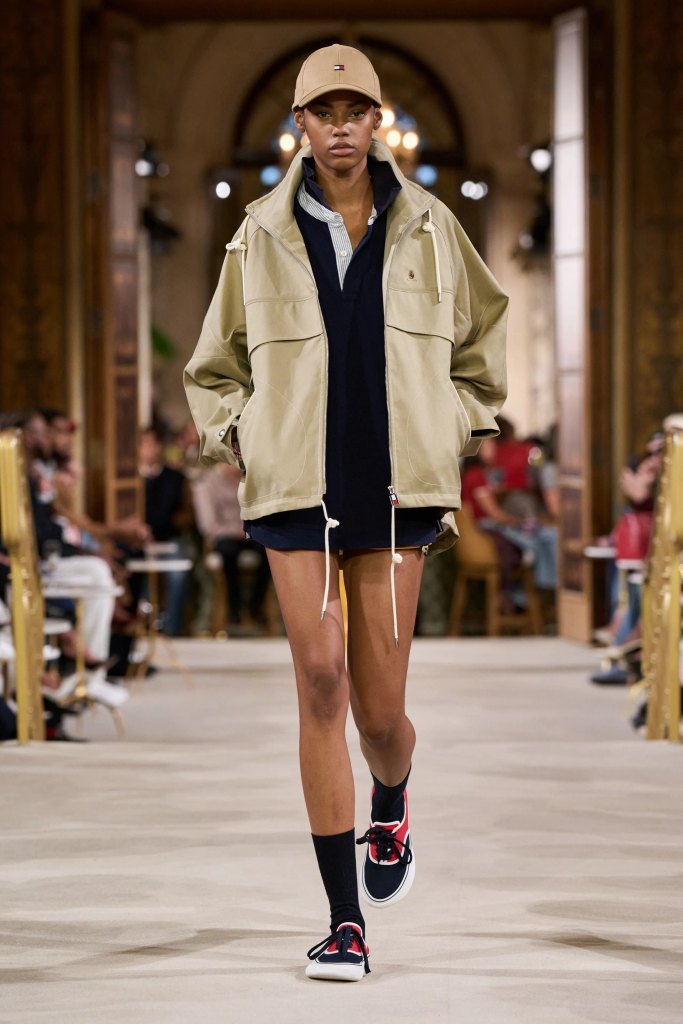
Tommy Hilfiger returned to the New York runway with a collection presented at The Plaza Hotel, where classic American prep was given a distinctly more relaxed treatment.
Traditional staples were transformed through proportion. Blazers, trousers, and tailored separates appeared oversized and loose, creating an effortless silhouette with a borrowed-from-the-boys quality.
Sporty shades brought energy to the collection, while fitted knit dresses offered a more feminine counterpoint to the generous tailoring. The contrast between loose and fitted pieces gave the wardrobe a youthful, contemporary rhythm.
Hilfiger did not abandon the codes of American prep; instead, he loosened them. The result felt less formal and more connected to the casual confidence of contemporary New York.
Tory Burch
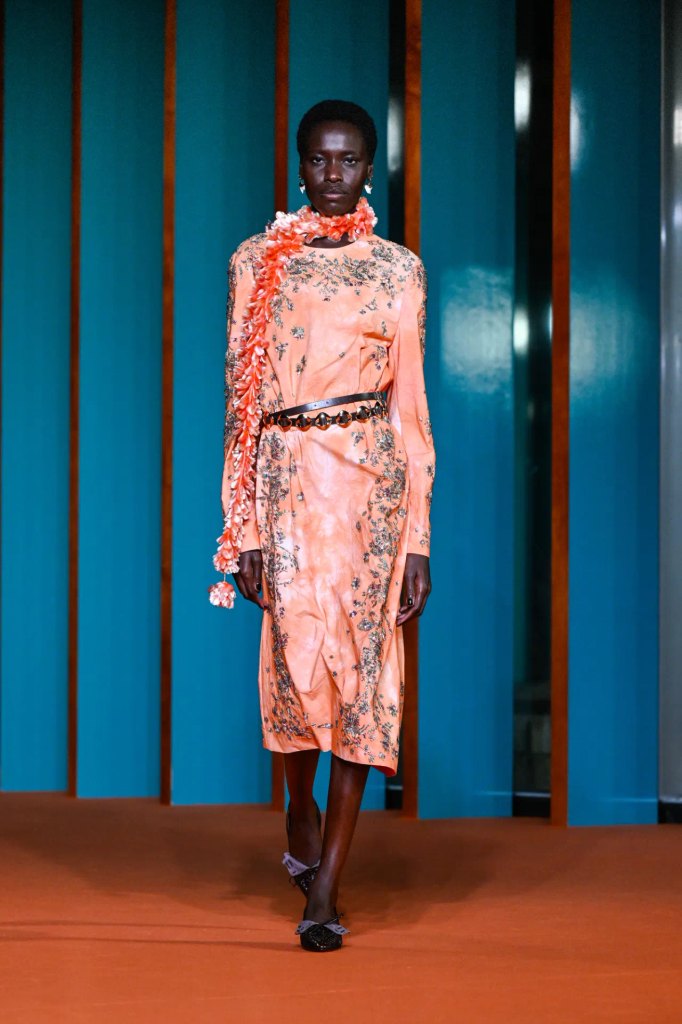
Tory Burch brought color, decoration, and optimism to her Spring 2027 collection, transforming familiar wardrobe staples through unexpected details.
Cardigans featured intricate embellishment, structured pieces were accented with statement chains, and rich jewel tones were paired with floral-inspired motifs. These elements gave the collection a sense of individuality without compromising its practicality.
Burch’s approach to femininity was deliberately playful. Rather than relying on traditional notions of polish, she used texture, ornament, and color to create clothes with personality.
The collection demonstrated how small details can completely change the character of familiar pieces. Functional dressing became more expressive, with a touch of fantasy woven into the everyday wardrobe.
Calvin Klein
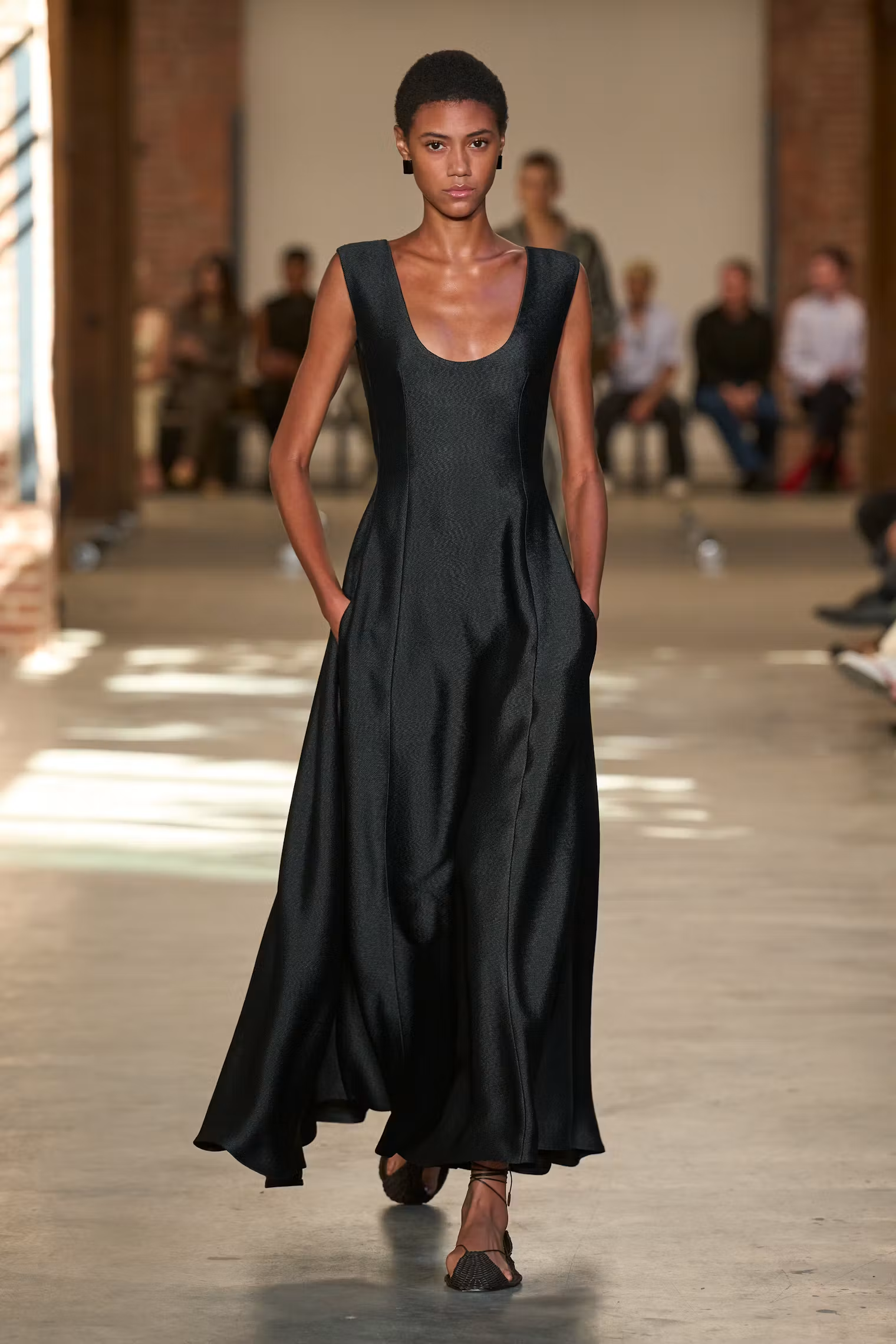
Veronica Leoni offered a distinctly quieter perspective at Calvin Klein, revisiting the label’s minimalist foundations for Spring/Summer 2027.
The collection looked toward the refined simplicity of the 1990s, with streamlined silhouettes and precise tailoring evoking the understated elegance associated with Carolyn Bessette-Kennedy.
Leoni avoided unnecessary decoration and instead concentrated on cut, construction, and proportion. The clothes were allowed to speak through their silhouettes, creating a sense of sophistication without relying on excess.
That restraint made the collection particularly striking within a season filled with embellishment and dramatic shapes. Calvin Klein proved that simplicity can still feel powerful when every line and proportion is carefully considered.
Ralph Lauren, Tommy Hilfiger, Tory Burch, and Calvin Klein each offered a different interpretation of American fashion for Spring/Summer 2027. Lauren turned to romantic heritage, Hilfiger refreshed classic prep, Burch embraced expressive femininity, and Calvin Klein championed modern minimalism.
Together, the collections reflected the broader character of New York Fashion Week. Rather than imposing a single vision of style, the city continues to encourage designers to challenge, reinterpret, and expand the definition of American fashion.
For Spring 2027, that freedom remained one of New York’s most defining—and compelling—qualities.